
Keeping your trees healthy and well-trimmed isn’t just about curb appeal — it’s one of the most effective ways to protect your home, roof, and power lines from costly damage. Regular tree trimming helps remove weak, dead, or overgrown branches that could fall during storms and ensures your trees grow strong and balanced.
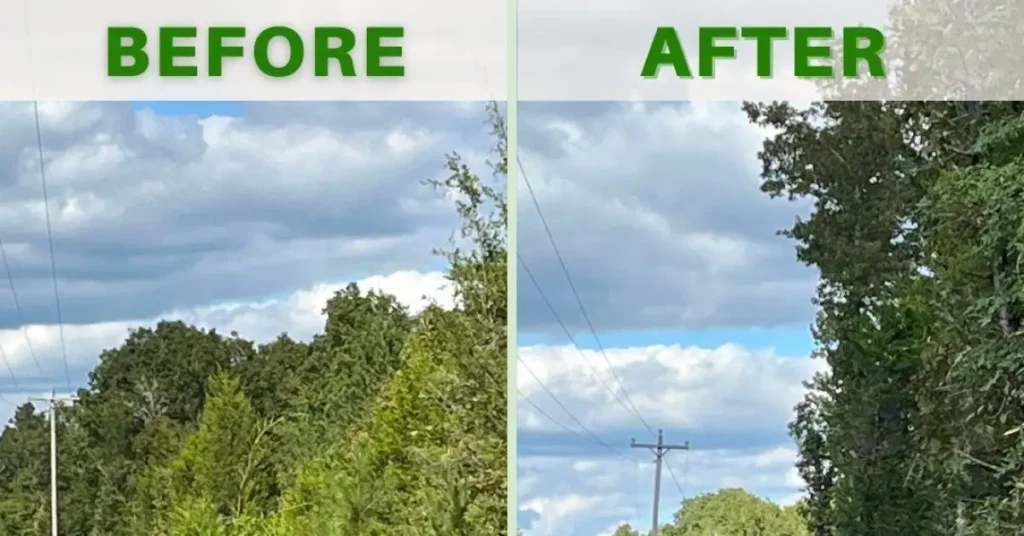
Why Regular Tree Trimming Is Essential for Safety
Trees with overgrown or damaged branches can easily become hazards during high winds, rain, or snow. Dead limbs may snap and fall, damaging your roof, car, or fencing. Professional tree trimming services help reduce these risks by:
- Removing weak or diseased branches before they fall.
- Balancing the tree canopy to reduce wind resistance.
- Keeping branches away from your home and power lines.
When done correctly, trimming enhances both safety and the structural integrity of your trees.
Preventing Storm Damage with Professional Tree Care
Severe weather can strike unexpectedly, and trees with unchecked growth are often the first to cause damage. Professional arborists assess tree health, identify structural weaknesses, and strategically prune branches that could break during heavy winds.
Routine storm-prevention trimming can:
- Prevent fallen branches from hitting your roof or windows.
- Reduce debris cleanup after storms.
- Keep driveways, sidewalks, and walkways safe.
Hiring a certified arborist in Connecticut ensures the trimming follows ISA standards, minimizing stress on the tree while maximizing protection for your property.
How Tree Trimming Protects Your Home & Property Value
Well-maintained trees are not only safer but also increase your home’s visual appeal and overall value. Overgrown trees can block sunlight, cause roof leaks from accumulated moisture, and even crack driveways as roots expand.
Routine trimming offers:
- Better airflow and sunlight for surrounding plants.
- Reduced pest infestation in dense branches.
- Enhanced curb appeal that boosts property value.
Homeowners who schedule seasonal tree care often spend far less on repairs compared to those who neglect trimming.
Tree Health Benefits Beyond Damage Prevention
Tree trimming is also a vital part of tree health maintenance. Removing dead wood and promoting proper air circulation helps trees grow stronger and more resistant to disease.
Key health benefits include:
- Improved nutrient distribution.
- Early detection of rot or insect damage.
- Longer lifespan and healthier foliage.
Healthy trees mean fewer emergencies and a more beautiful landscape year-round.
Best Time to Trim Your Trees for Maximum Protection
Timing plays a huge role in how well tree trimming protects your property. Trimming at the right season helps trees heal quickly, grow stronger, and better withstand storms.
In Connecticut’s climate, the ideal schedule is:
- Late Winter to Early Spring: Best time for most trees; promotes vigorous spring growth and minimizes sap loss.
- Summer: Great for shaping and controlling fast-growing branches that may threaten roofs or power lines.
- Fall: Avoid heavy trimming; new cuts may not heal before freezing temperatures, increasing stress on trees.
Routine, seasonal trimming keeps your landscape looking clean while reducing the chance of storm damage or falling limbs. For a detailed seasonal guide, read our full article on the best time to trim trees for Connecticut homeowners.
DIY vs. Professional Tree Trimming — Which Is Safer and More Effective?
Many homeowners wonder if they can trim their own trees to save money. While light pruning of small branches is generally safe, larger or high-risk trimming jobs should always be handled by professionals. Improper cuts can weaken a tree, cause disease, or even lead to falling limbs that damage your home or power lines.
Professional tree trimming services in West Haven offer key advantages:
- Certified arborists know how to identify structural weaknesses and diseased wood.
- Specialized tools and climbing safety gear protect both workers and your property.
- Proper trimming techniques ensure the tree remains balanced and healthy.
DIY trimming is fine for removing small twigs or shaping young trees. But if branches are near the roof, windows, or electrical lines, calling a Madecol tree service LLC in New Haven, CT is the safest option. You can also learn more about DIY vs professional trimming here for a deeper breakdown of what’s safe to handle yourself.
Signs Your Trees Need Immediate Attention
Watch for these warning signs that it’s time to call a professional:
- Hanging or broken branches.
- Branches touching your roof or windows.
- Dead leaves or bark cracks.
- Leaning tree trunks or root exposure.
- Frequent debris after mild wind or rain.
Early action prevents accidents and helps maintain a strong, beautiful landscape.
Expert Tree Trimming in New Haven, CT
Madecol Tree Service provides professional tree trimming and pruning throughout New haven, Fairfield County, and surrounding Connecticut communities. Our certified arborists specialize in storm prevention, hazard reduction, and long-term tree health.
Whether you need routine maintenance, emergency trimming, or seasonal pruning, our team ensures every cut strengthens your trees and protects your property.
FAQs
Q1. How often should I trim my trees in Connecticut?
Most trees benefit from trimming every 1–3 years, depending on their type and growth rate. Fast-growing species may need annual trimming.
Q2. What happens if I don’t trim my trees?
Neglecting trimming can lead to overgrowth, disease, and falling branches — which can damage roofs, cars, or power lines during storms.
Q3. Can I trim trees myself?
You can safely prune small branches, but large or high branches should be handled by a professional arborist to prevent injury or property damage.
Q4. How do I know if my tree is diseased?
Watch for peeling bark, dead leaves, cracks, or fungus at the base. If you see these signs, call a tree care expert in New Haven, CT.
Q5. Does trimming help trees grow better?
Yes. Proper pruning improves air circulation, removes deadwood, and encourages strong, balanced growth.
Final Thoughts
Tree trimming is one of the simplest, most effective ways to prevent property damage, ensure safety, and keep your landscape healthy. Regular care by trained professionals keeps your home safe year-round — and helps your trees thrive beautifully for decades.